Photo courtesy Maison Sport

Commissions may be earned from LuxuryEurope’s affiliate partner links
With the 2026 Winter Olympics now upon us, it’s good to know that there’s still time left before the season’s over to enjoy a little ski action on Europe‘s best slopes. Whether you’re a long-time skier or are new to the sport, securing quality instruction can make all the difference between a frustrating day on the mountain and an experience that builds confidence and skill while upping the fun quotient.
Worried you might have missed the best part of the ski season? Well, fret not. Europe’s ski season typically runs from early December through to late April, though higher altitude resorts can even extend well into May. So that’s plenty of time to get out there and learn from the best of them.
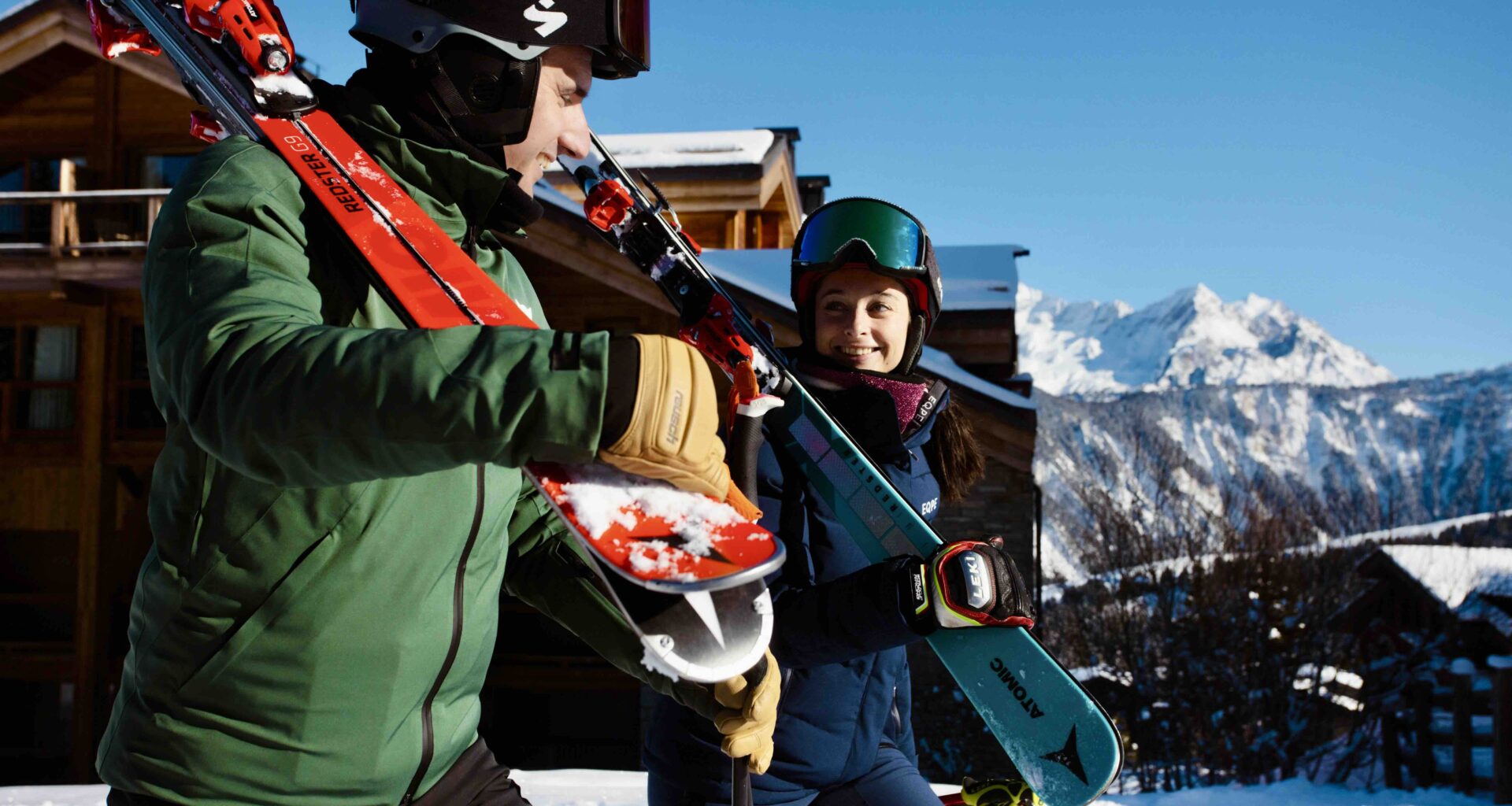
And the “best of them” includes Maison Sport. This leading online ski instructor booking platform is an ideal solution for skiers of all levels (beginner and up) seeking personalized instruction at some of the continent’s top ski destinations. Easy to navigate, the platform connects students directly with qualified instructors at over 400 European ski resorts, eliminating the traditional ski school model in favor of a more flexible approach: you set the pace, and the schedule.
Maison Sport Ski Instructors Know Their Stuff
With over 1,300 verified instructors in its network, this top-notch service operates at major resorts including Zermatt in Switzerland, Val Thorens in France, St Anton in Austria, and Cortina d’Ampezzo in Italy.
Created by former British ski team members with more than 25 years of teaching experience, Maison Sport allows customers to check out instructor profiles and read authentic (yes, real) reviews before making a selection.
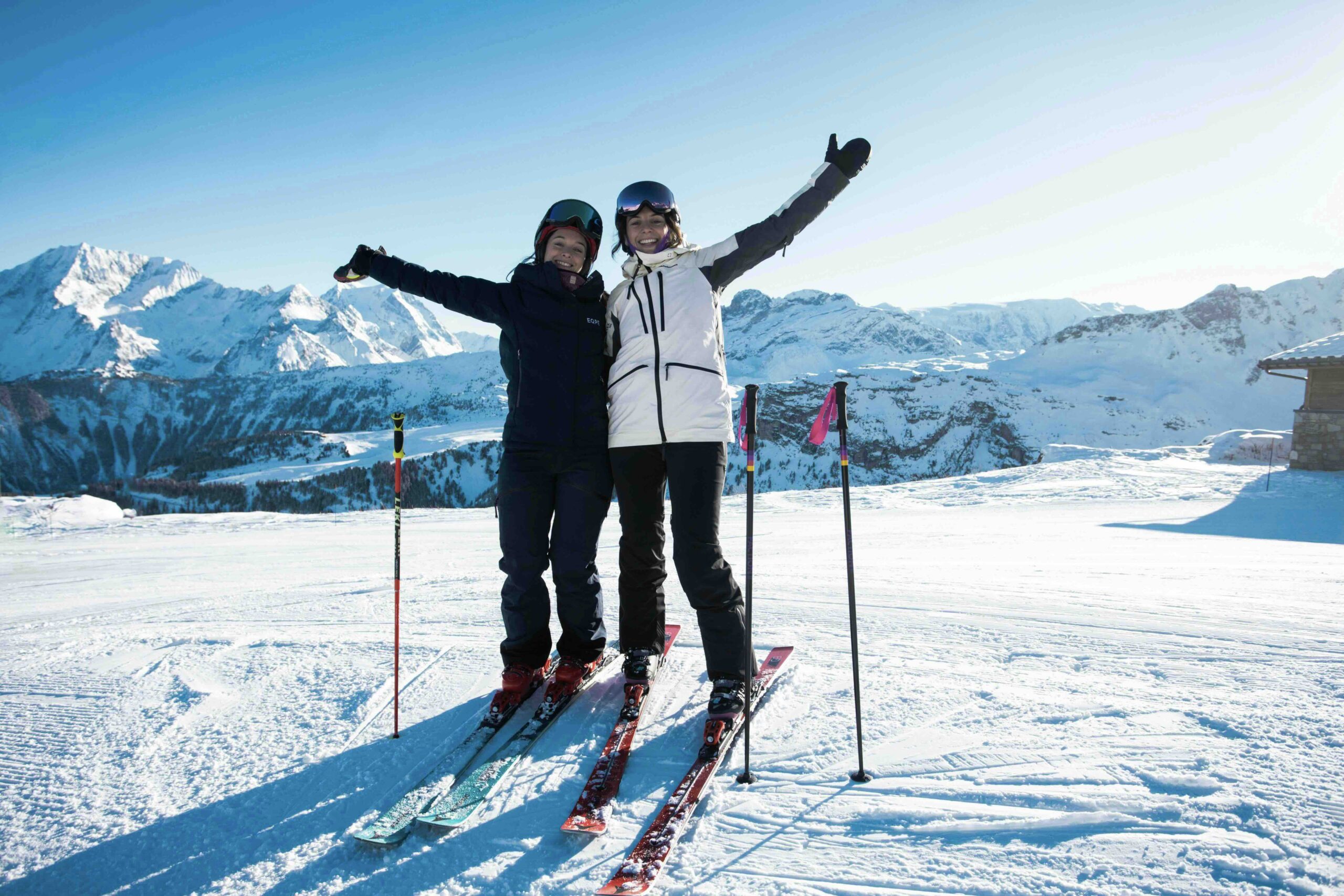
And yes, instructors retain up to 93 percent of lesson fees, making it an approach that benefits both parties by providing transparency for students and fair compensation for teachers. Lessons start from 50 Euros per hour and cover multiple disciplines for skiers and snowboarders at all levels.
So, if you’re feeling inspired by all that Olympic coverage, check out the following resorts for some family-friendly (or solo) skiing, each of them covered by Maison Sport ski instructors.
The Best European Ski Resorts for Families
Cortina d’Ampezzo, Italy
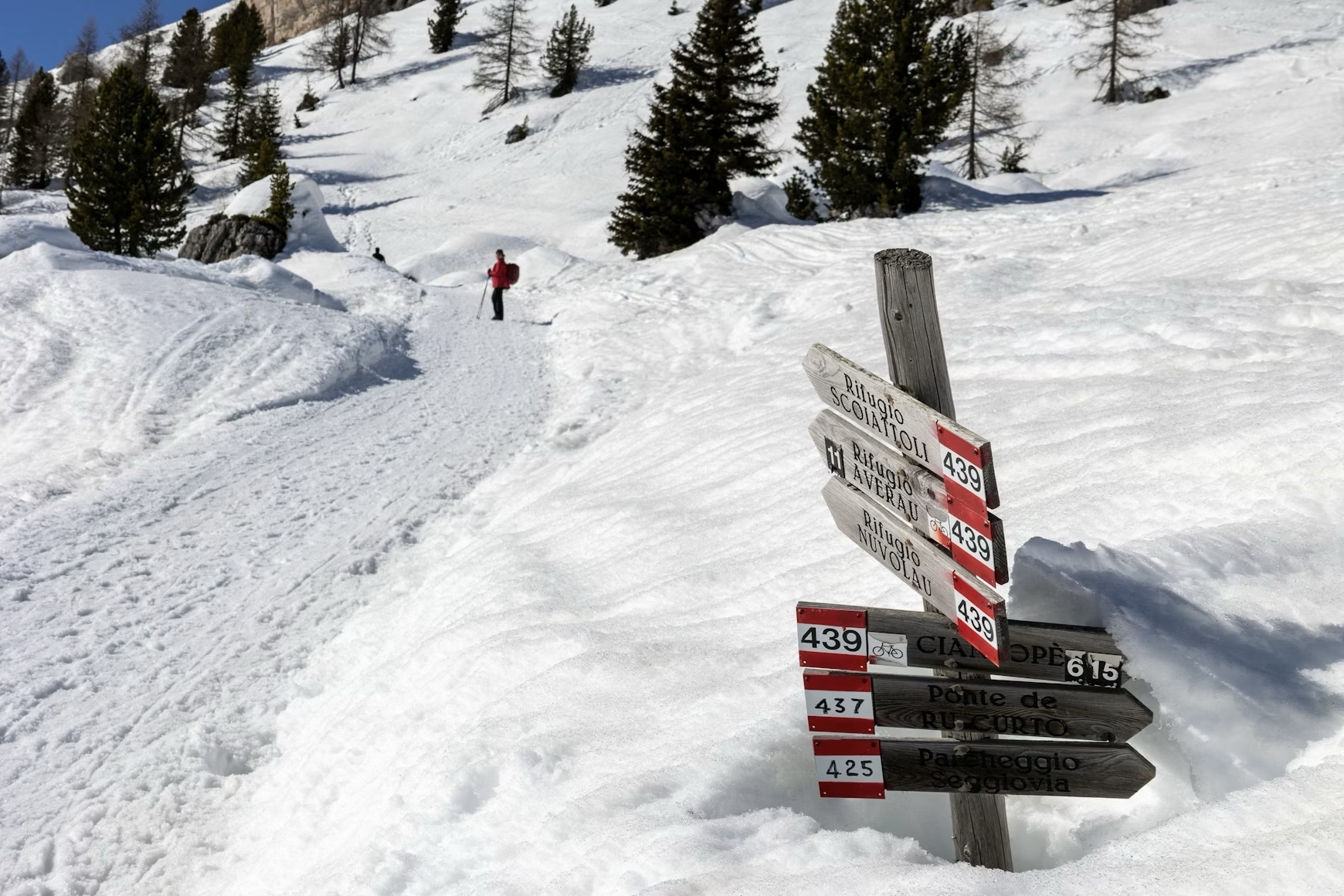
Located in the heart of the Dolomites, a UNESCO World Heritage mountain range in northeastern Italy, Cortina d’Ampezzo hosted the 1956 Winter Olympics and is a venue for the 2026 Games., Its location in the Veneto region makes it accessible from Venice, approximately 160 kilometers (99 miles) to the south.
The resort’s main square, Corso Italia, functions as the town’s social center throughout the winter season. Horse-drawn sleighs transport visitors along streets lined with market stalls selling local products and mountain gear. Traditional restaurants serve regional dishes, including casunziei, a type of filled pasta specific to the area, while bars lit with strings of lights provide gathering spots for some après ski fun.
The ski area covers altitudes from 1,224 meters (4,016 feet) at the town level to 2,924 meters (9,593 feet) at the highest lift-served point. Forty lifts provide access to 120 kilometers (75 miles) of marked runs beneath the distinctive jagged peaks characteristic of Dolomite geology. The mountain formation creates a dramatic backdrop distinct from the rounded profiles common in other Alpine regions.
Ski season here typically runs from early December through early April, with the highest slopes maintaining coverage longest. For families, the moderate altitude of the town itself helps with acclimatization, while the variety of blue and red runs provides progression opportunities for developing skiers.
Verbier, Switzerland
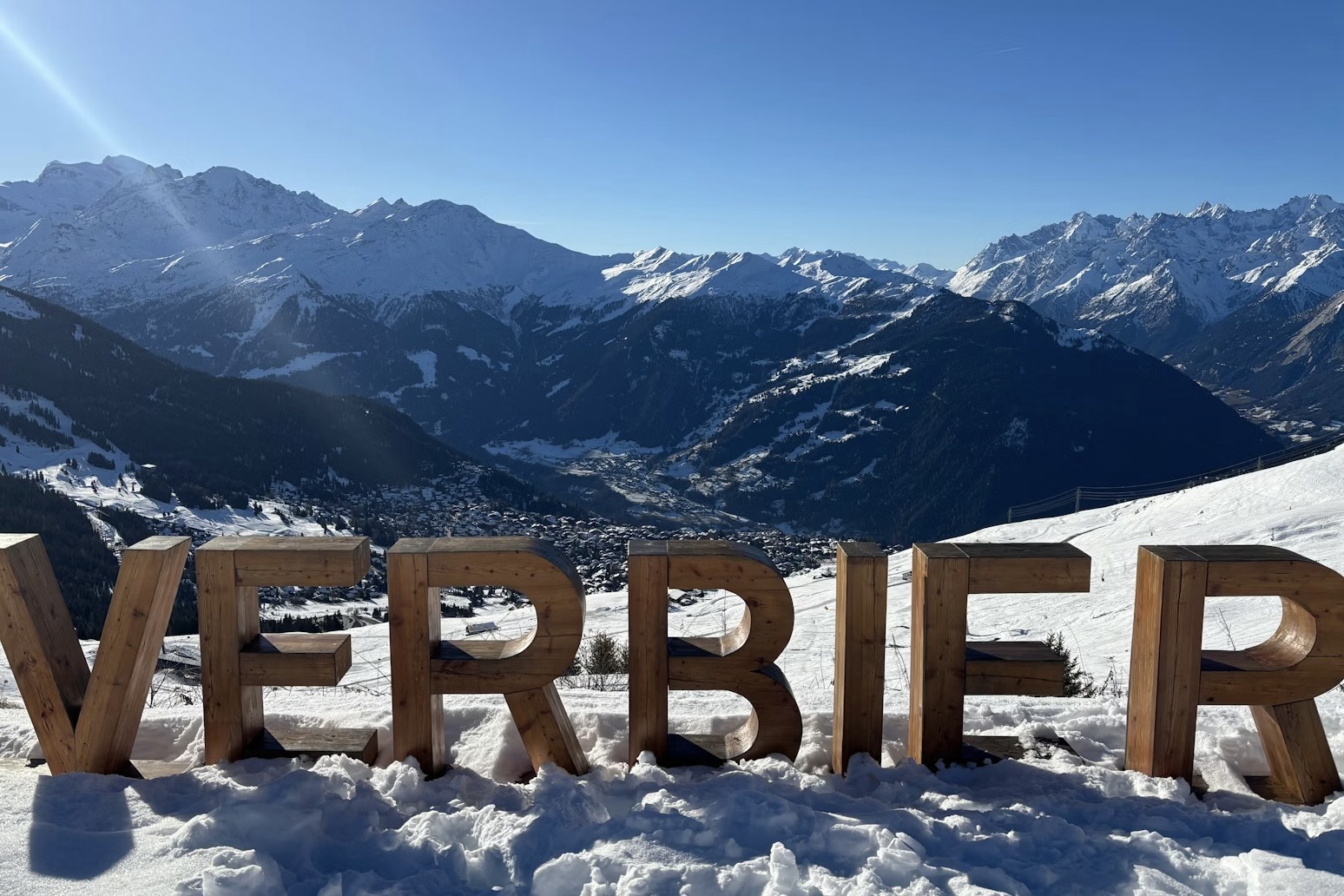
Verbier anchors the Four Valleys ski area in the canton of Valais in southwestern Switzerland. The resort sits at 1,500 meters (4,921 feet) in elevation, with lift access extending to Mont Fort at 3,330 meters (10,925 feet). This vertical range of more than 1,800 meters (5,905 feet) provides varied terrain and reliable snow conditions throughout a season that extends from late November into May.
The interconnected lift system links nearly 100 lifts serving over 400 kilometers (249 miles) of marked runs across four valleys. Blue runs suitable for beginners and families are concentrated in the lower sectors near Les Esserts and Savoleyres, while intermediate and advanced terrain dominates the higher elevations. The resort has gained particular recognition for its off-piste skiing, with routes from Mont Fort and Col des Gentianes attracting expert skiers from around the world.
The village maintains a traditional chalet architecture while supporting a substantial tourism infrastructure, with restaurants ranging from mountain huts serving raclette and fondue to establishments with Michelin recognition. The demographic skews international, with residents of the United Kingdom, Scandinavia, and other European visitors making up much of the clientele.
For families using Maison Sport instructors, the variety of terrain means lessons can be tailored to specific ability levels without requiring travel between different ski areas. The altitude ensures consistent snow quality, though the exposure to weather systems moving through the Rhône Valley can bring rapid changes in conditions.
Morzine, France
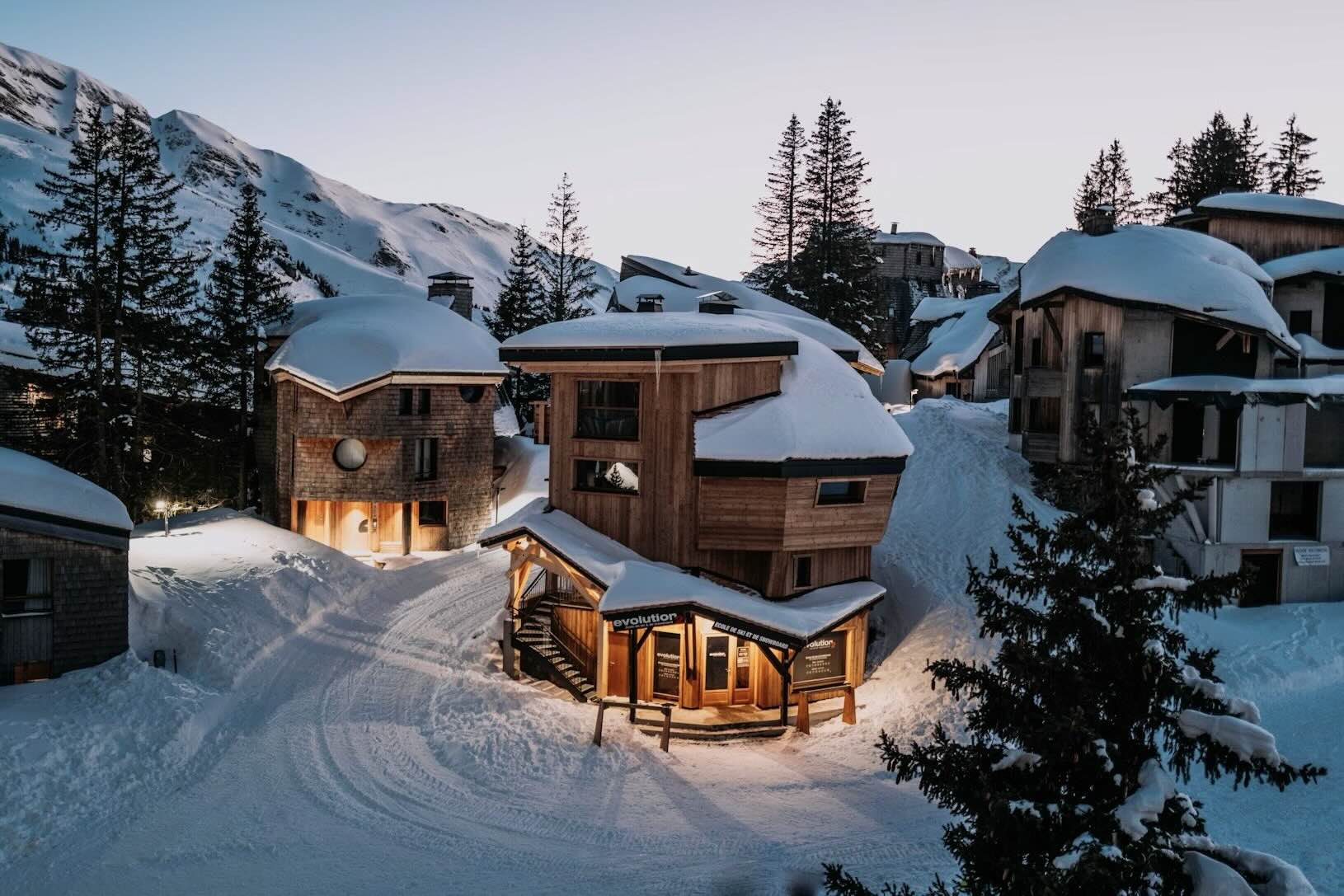
Situated in the northern French Alps approximately 80 kilometers (50 miles) from Geneva Airport, means transfer times of under 90 minutes… an ideal resort area for international visitors. The village sits at 1,000 meters (3,281 feet), lower than many purpose-built French stations, which gives it a more traditional Alpine town character with a mix of permanent residents and year-round commercial activity.
The resort forms part of the Portes du Soleil, a linked ski area spanning the French-Swiss border with access to 650 kilometers (404 miles) of runs. Local skiing extends to 2,002 meters (6,568 feet), while the neighboring sector of Avoriaz reaches approximately 2,466 meters (8,091 feet). This higher-altitude connection provides more reliable snow coverage, particularly early and late in the season when the lower Morzine slopes may have marginal conditions.
The ski area’s layout suits families particularly well. Gentle slopes near the Pleney and Nyon sectors offer protected learning areas, while tree-lined runs provide visual reference points and wind protection that can be valuable for new skiers. Between runs, mountain restaurants serve regional specialties including tartiflette and fondue. The village itself boasts multiple supermarkets, equipment shops, and medical facilities, all stuff that matters to those traveling with children.
Maison Sport instructors operating here can access both the sheltered lower slopes ideal for first timers and the more challenging terrain at altitude for those progressing beyond basic technique. The season typically runs from mid-December through mid-April, with coverage dependent on natural snowfall supplemented by snowmaking on lower runs.
Ischgl, Austria
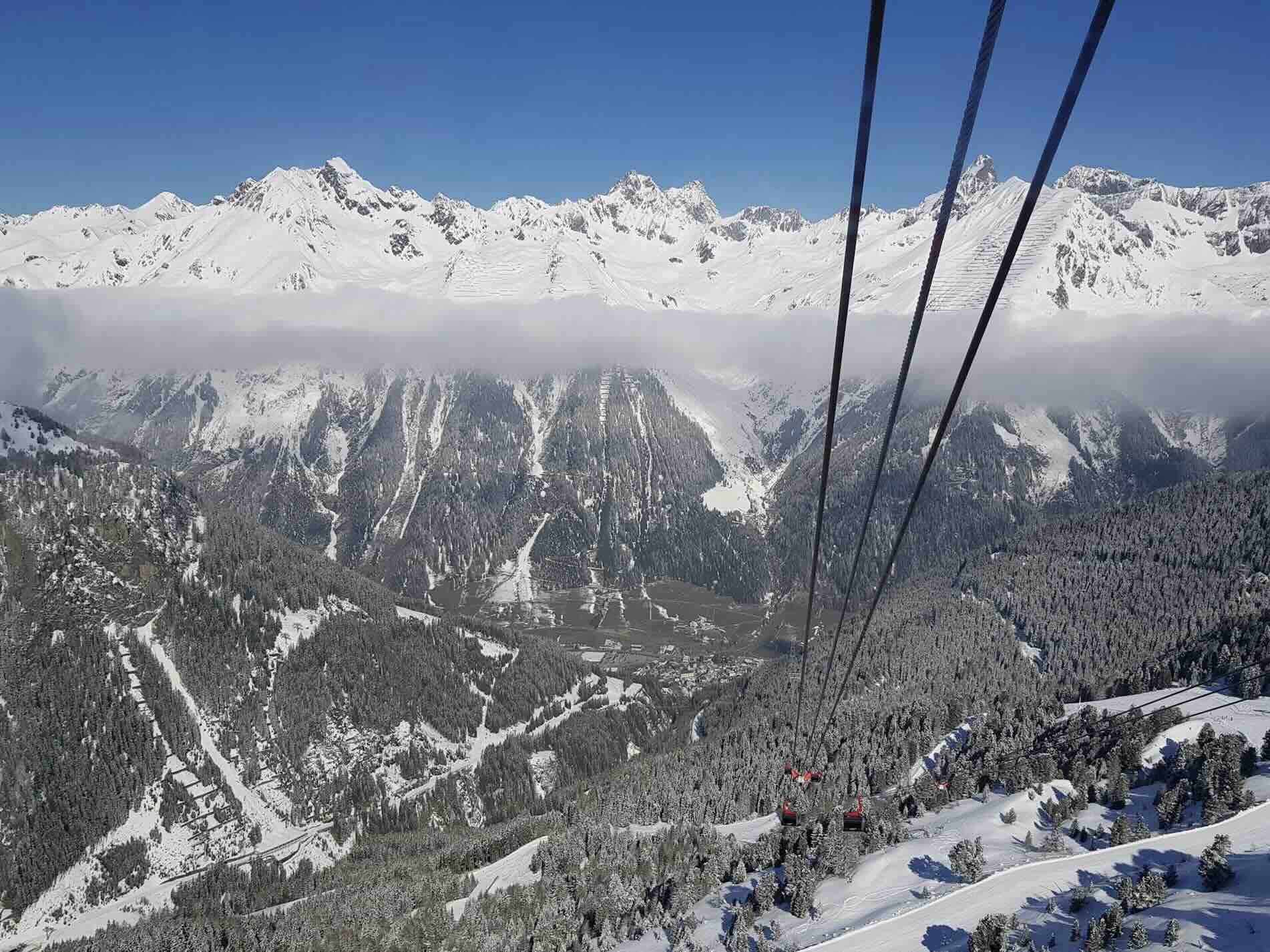
Ischgl sits in the Paznaun Valley in the Tyrol region of western Austria, approximately 100 kilometers (62 miles) from Innsbruck. The village elevation of 1,380 meters (4,528 feet) and peak altitude of 2,900 meters (9,514 feet) create a ski area where more than 80 percent of runs sit above 2,000 meters (6,562 feet) – a high-altitude profile that makes it ideal for early-season skiing, with operations often beginning in late November.
The ski area encompasses 240 kilometers (149 miles) of groomed runs served by modern lift infrastructure that includes multiple high-speed gondolas and chairlifts. A connection to the Swiss resort of Samnaun extends the ski area with its duty-free shopping opportunities. The terrain distribution favors intermediate skiers, though expert runs, including the steep Höllkar pitch, provide challenges for advanced skiers.
Ischgl has also developed an enviable reputation for its après-ski culture. Multiple venues feature live music and entertainment from mid-afternoon through evening. The Idalp area at the top of the main gondola hosts outdoor bars that fill immediately after lifts close. This party atmosphere may not suit all families, though daytime skiing remains focused on mountain sports.
For those using Maison Sport instructors, the abundance of intermediate terrain provides ideal progression opportunities, while the high altitude ensures consistent snow quality. Mountain restaurants across the ski area serve traditional Tyrolean food, with Kaiserschmarrn and Gröstl among the regional specialties. The season extends from late November through early May, longer than lower-altitude Austrian resorts.
Tignes, France
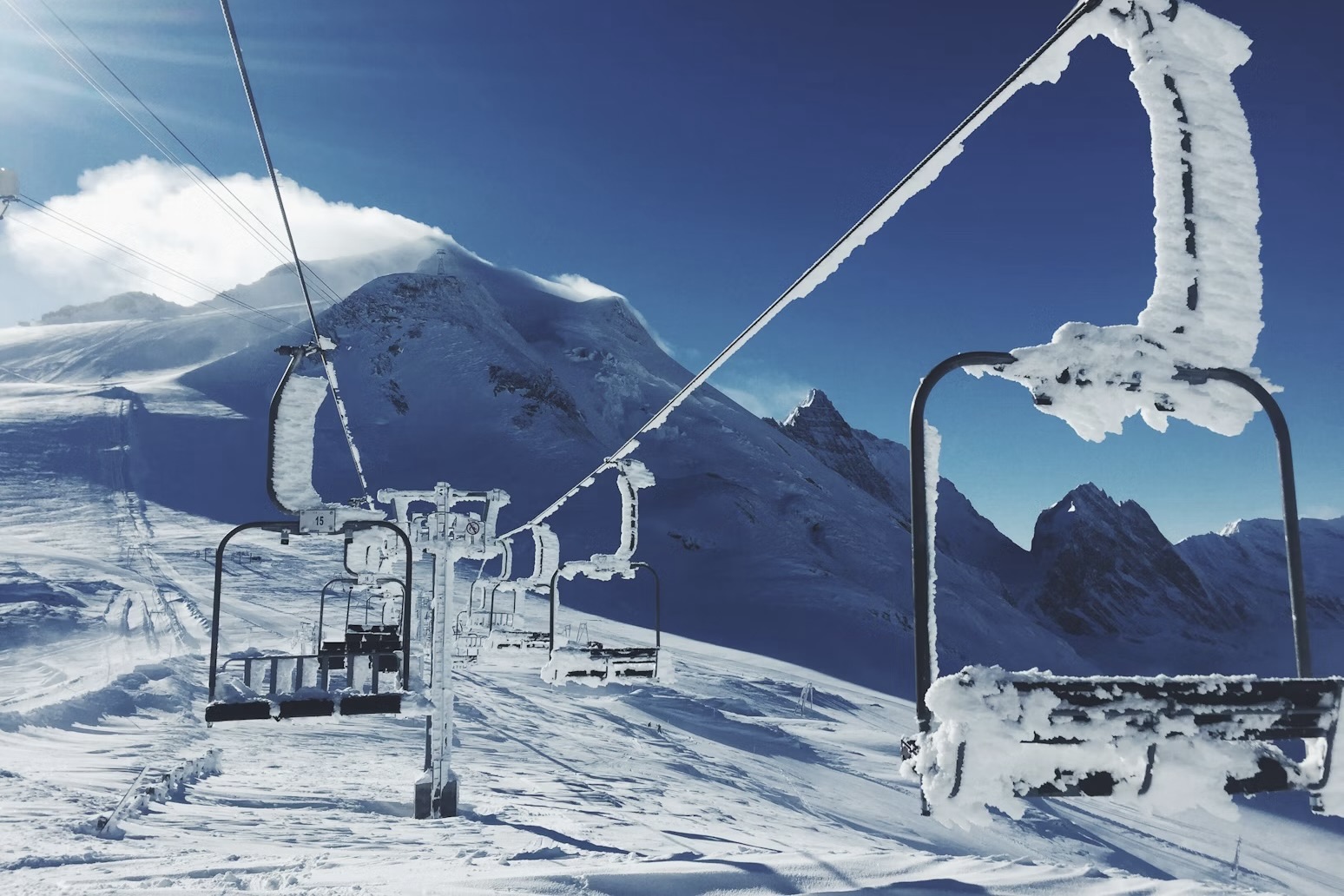
Part of the Espace Killy ski area in the Tarentaise Valley of the French Alps, Tignes Shares 300 kilometers (186 miles) of runs with neighboring Val d’Isère. The resort comprises multiple villages at different elevations, with Tignes Le Lac at 2,100 meters (6,890 feet) serving as the main hub. The Grande Motte glacier reaches 3,456 meters (11,339 feet), providing year-round skiing opportunities and ensuring reliable early-season conditions.
Lift connections between Tignes and Val d’Isère typically open in late November, creating one of Europe’s most extensive high-altitude ski areas. The glacier allows operations to continue through summer months, making it a popular training ground for national ski teams and serious recreational skiers. The altitude also means temperatures remain cold throughout winter, preserving snow quality even during periods without fresh snowfall.
The purpose-built architecture of Tignes focuses on function rather than traditional Alpine aesthetics, with apartment blocks designed to maximize ski-in ski-out access. This practical approach suits families prioritizing convenience over village charm. Off-slope activities include ice skating, swimming in heated pools, and indoor climbing walls, providing alternatives when the upper mountain is closed due to weather.
Maison Sport instructors based here can access terrain ranging from gentle glacier runs suitable for building confidence to steep mogul fields and off-piste routes for advanced students. The consistent snow conditions remove one variable from the learning process, allowing lessons to focus on technique development rather than adapting to changing surface conditions. Mountain restaurants across the ski area serve standard French resort fare, with self-service cafeterias offering more economical options than table-service establishments. The season runs from late November through May, longer than lower-altitude French resorts.
Zermatt, Switzerland
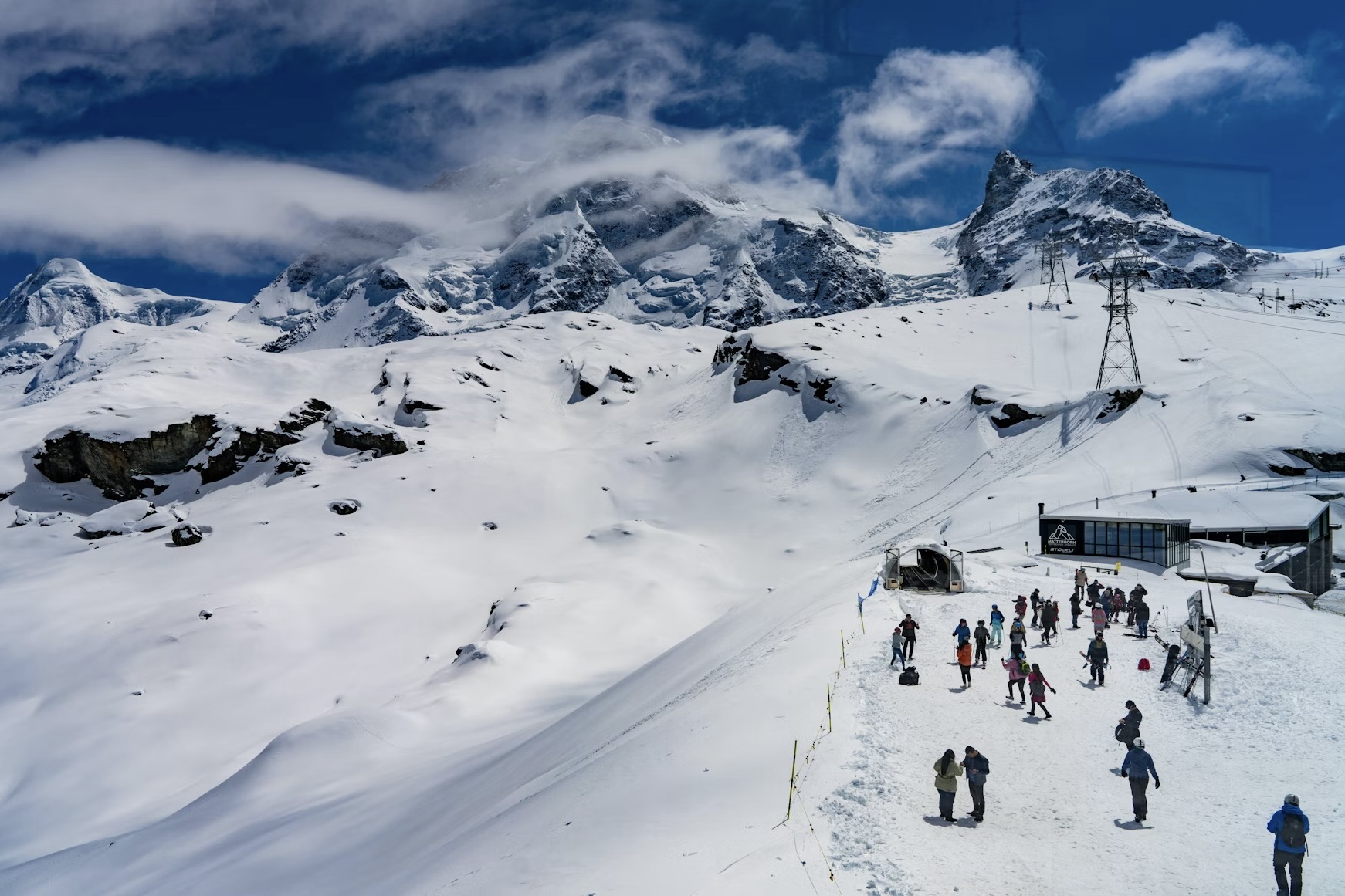
Zermatt, at 1,620 meters (5,315 feet) in the Matter Valley of the canton of Valais, is popular for its location at the base of the Matterhorn. One of the Alps’ most recognizable peaks at 4,478 meters (14,692 feet), it provides a distinctive visual setting. The highest lift in the Alps reaches 3,883 meters (12,740 feet) at the Klein Matterhorn, accessing the Theodul Glacier, where skiing is possible year-round.
The car-free village relies on electric vehicles and horse-drawn carriages for transport, creating a quieter environment than most other resorts. This restriction requires visitors to arrive by train, with the Glacier Express providing scenic connections from other Swiss destinations. The infrastructure supports both luxury tourism and mountain sports, with hotels ranging from budget accommodations to 5-star properties.
The ski area encompasses slopes facing multiple directions, providing options when the weather affects certain sectors. The connection to the Italian resort of Cervinia extends the skiable terrain and offers an international dimension to ski days. For families, the variety of blue and red runs on the Sunnegga and Gornergrat sectors provides progression opportunities without requiring immediate access to the highest, most exposed terrain.
Instructors here benefit from the extended season and altitude range. Lessons can begin on gentle glacier runs where consistent snow is guaranteed, then progress to more varied terrain as skills develop. The glacier skiing continues through summer, making Zermatt viable for off-season training. Mountain restaurants across the area serve traditional Swiss dishes, with prices reflecting the resort’s premium positioning. The season effectively runs year-round on the glacier, with lower slopes typically operating from early December through late April.
Val Thorens, France
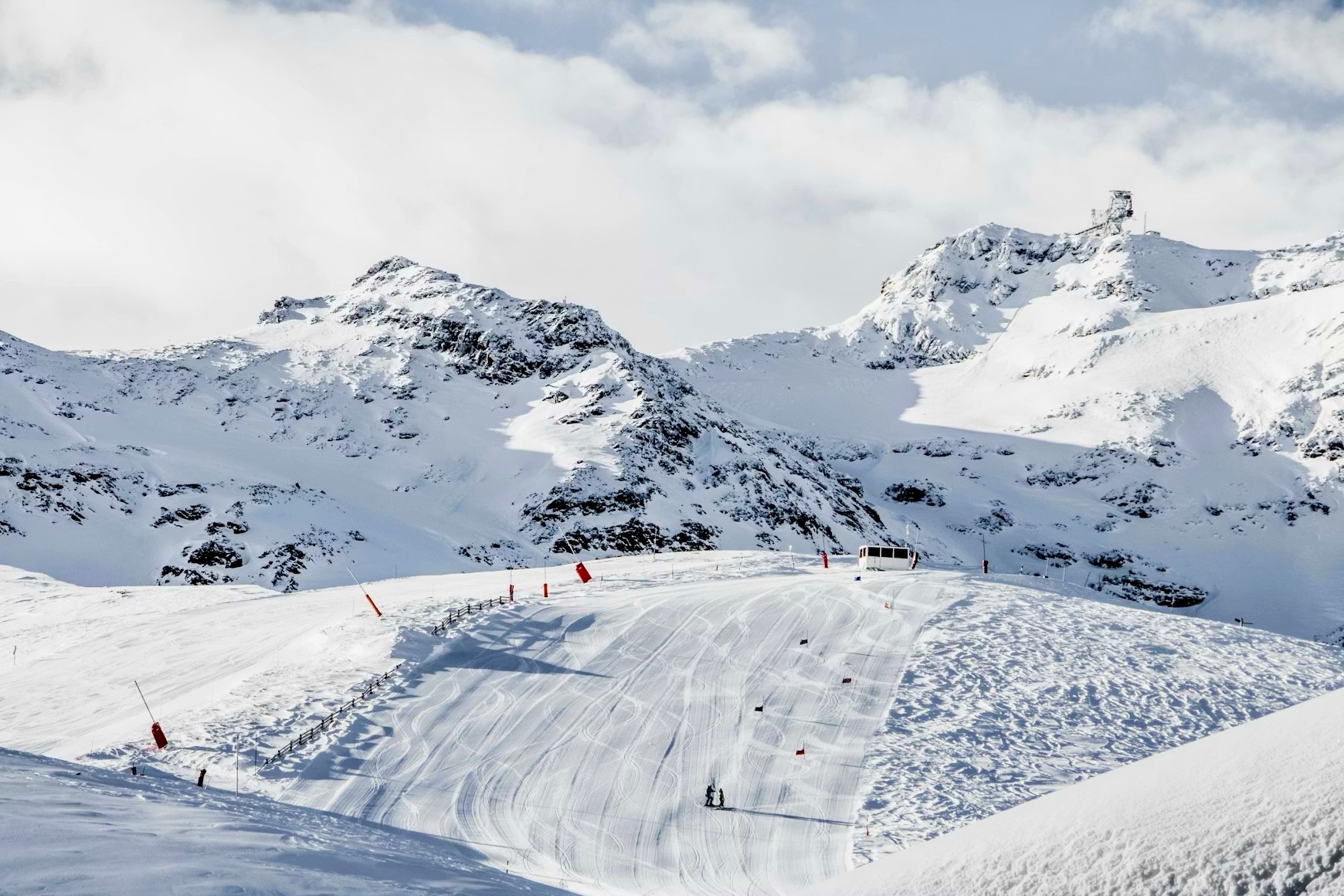
Famous as Europe’s highest ski resort town (it’s found at 2,300 meters, or 7,546 feet), Val Thorens is located at the head of the Belleville Valley in the Tarentaise region. It forms the highest component of the Three Valleys, the world’s largest linked ski area with over 600 kilometers (373 miles) of runs. The top lift reaches 3,266 meters (10,715 feet) at the Cime de Caron, providing a vertical drop exceeding 1,400 meters (4,593 feet).
The purpose-built resort developed in the 1970s focuses entirely on skiing efficiency, with most accommodations offering direct slope access. The architecture prioritizes function, with apartment buildings and hotels clustered around the main lift stations. It’s a layout that minimizes walking with equipment, an advantage for families managing multiple children and gear.
The high altitude ensures reliable snow coverage from early December through May, one of the longest seasons in the French Alps. The exposed position also means wind can close upper lifts during storms, though the variety of terrain provides alternatives across different elevations. Snowmaking on lower runs supplements natural snowfall, maintaining coverage during dry periods.
Terrain throughout the Three Valleys can be accessed for instruction, though most lessons remain within the Val Thorens sector, where the consistent snow quality and variety of slopes suit all ability levels. The resort’s restaurant scene includes both traditional Savoyard establishments and international options, with prices generally lower than comparable Swiss resorts. Nightlife centers on several bars and clubs near the main square, creating an active après-ski scene. For families seeking a dedicated ski experience without the distractions of a traditional town, Val Thorens provides focused access to extensive high-altitude terrain.
Zell am See, Austria
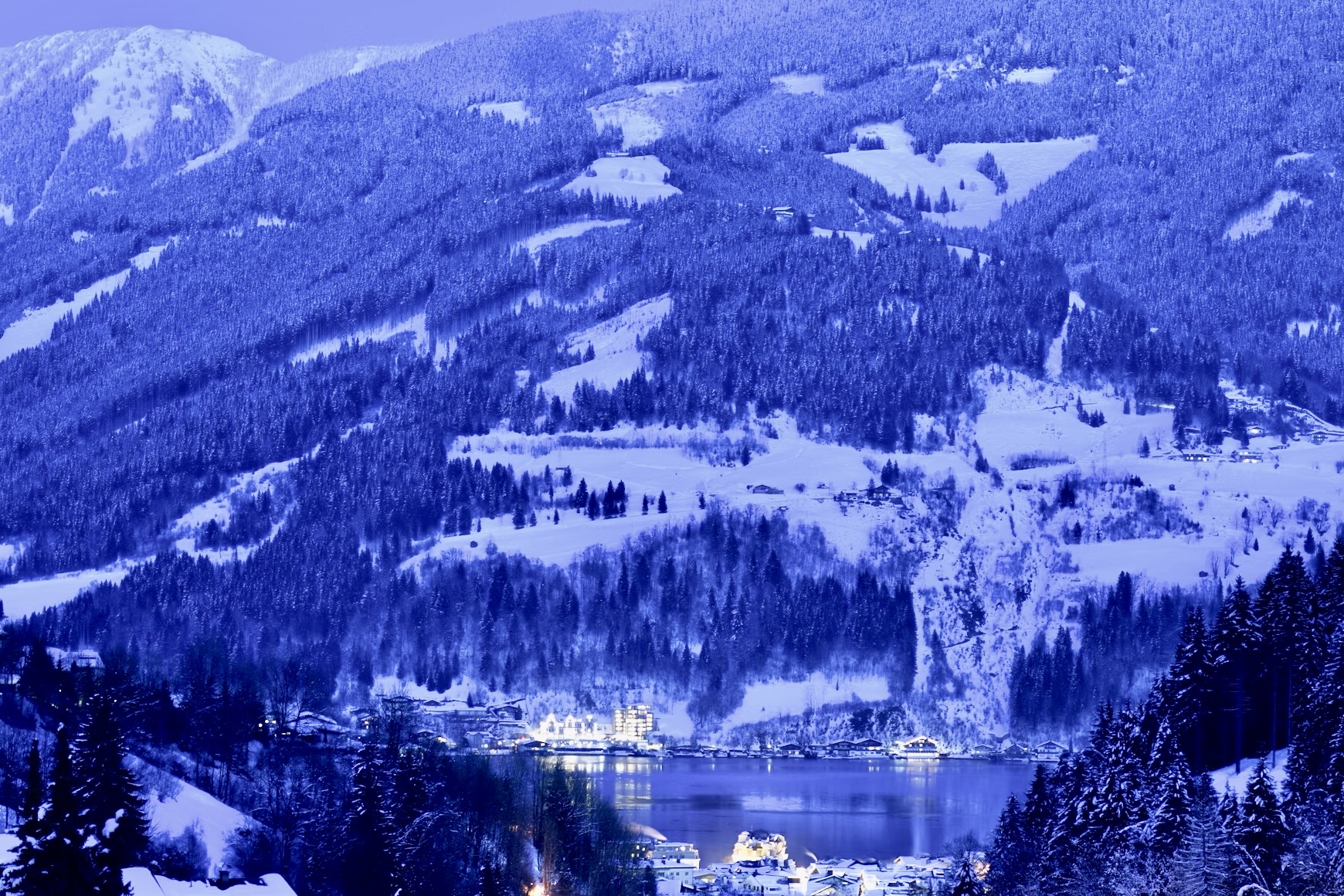
Zell am See occupies a lakeside position at 800 meters (2,625 feet) in the Austrian state of Salzburg, approximately 90 kilometers (56 miles) south of Salzburg. The historic town center dates to medieval times, providing a traditional Alpine setting distinct from purpose-built ski stations. The lake remains visible from many points around town, creating a scenic backdrop unusual among major ski resorts.
Local skiing on the Schmittenhöhe reaches 2,000 meters (6,562 feet), while the Kitzsteinhorn glacier on the same lift pass extends to over 3,000 meters (9,843 feet). This combination provides both family-friendly lower slopes and high-altitude terrain with reliable snow coverage. The glacier operates from early October through late June, making it one of Austria’s longest ski seasons.
The town itself functions year-round as a commercial center, with shops and restaurants serving local residents as well as tourists, making for a more authentic atmosphere than resorts dependent entirely on winter visitors. The pedestrian zone includes multiple equipment rental shops, supermarkets, and services that matter for extended family stays.
Maison Sport instructors working here can tailor lessons to the appropriate terrain. Beginners benefit from the protected lower slopes near Schüttdorf, while the glacier provides progression opportunities as skills develop. The variety of runs between the two areas ensures lessons don’t become repetitive. Mountain restaurants serve traditional Austrian food, including Wiener Schnitzel and Apfelstrudel, with prices moderate compared to Swiss or French resorts.
The season on local slopes runs from mid-December through early April, while the glacier extends this considerably. For families seeking a blend of traditional town atmosphere and modern ski facilities, Zell am See provides both elements.
St Anton, Austria
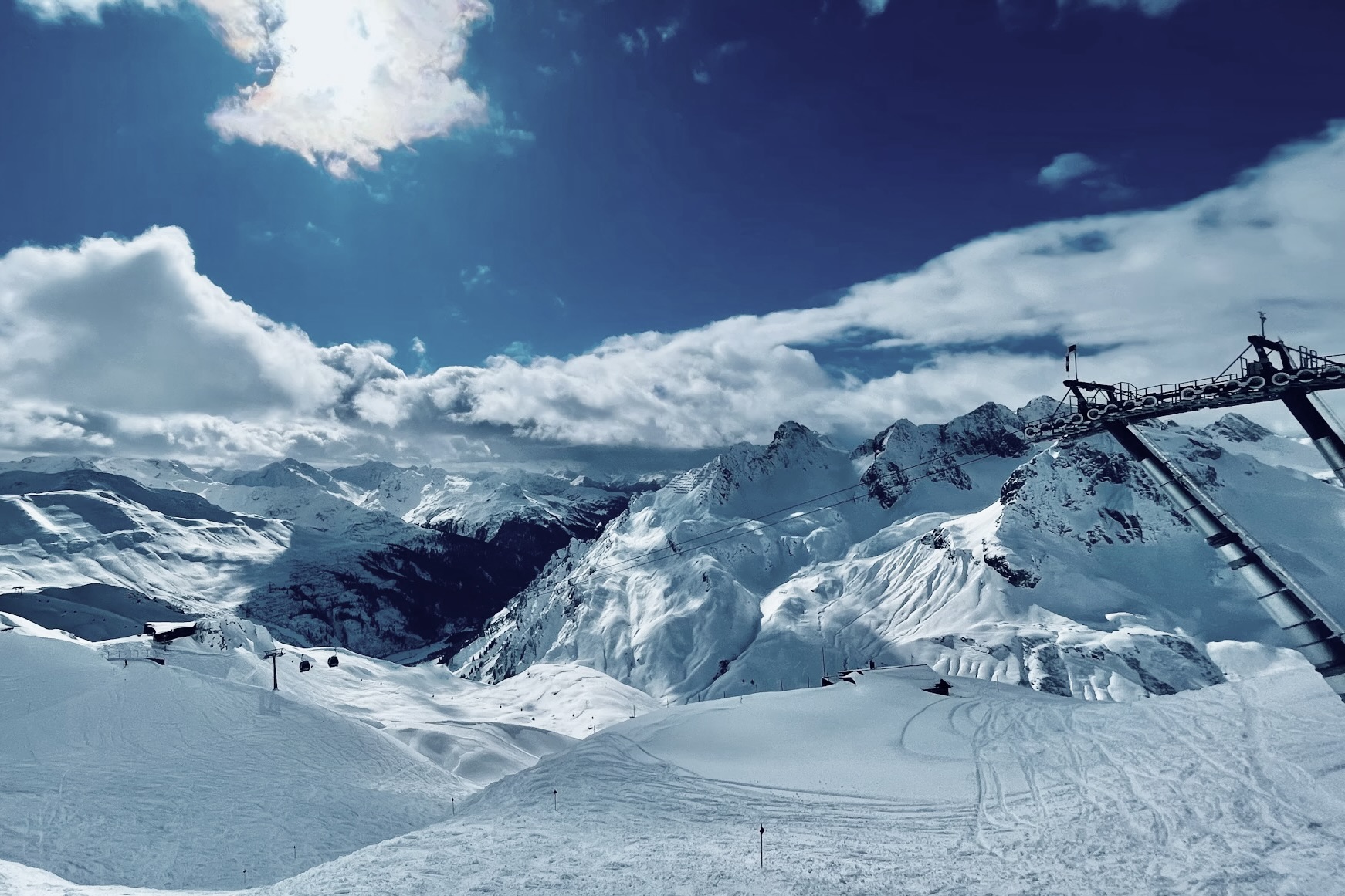
Situated at 1,304 meters (4,278 feet) in the Tyrolean Alps, approximately 100 kilometers (62 miles) west of Innsbruck, St Anton am Arlberg anchors the Ski Arlberg region. This includes Lech, Zürs, and other connected areas totaling over 300 kilometers (186 miles) of groomed runs and 200 kilometers (124 miles) of marked off-piste routes. The highest lift reaches 2,811 meters (9,222 feet) at the Valluga, providing extensive high-altitude terrain.
St Anton has a long history as a center for ski instruction, with the Arlberg technique developed here and forming the basis of modern ski teaching methods. The resort attracts serious skiers drawn by the reliable snowfall, challenging terrain, and substantial off-piste opportunities. The steep runs from the Valluga and other high points require good technique and fitness, making them unsuitable for beginners but attractive to advancing intermediates and experts.
The village features traditional architecture while supporting extensive tourism infrastructure. The main street fills with visitors during peak season, creating a busy atmosphere. Après-ski culture centers on several bars that begin filling in mid-afternoon, with live music and a party environment that defines the resort’s character for many visitors.
Ski and snowboard instructors based here can access terrain ranging from gentle nursery slopes to serious expert runs. The variety of intermediate terrain between these extremes provides ideal progression opportunities. For families, the lower Nasserein area offers protected learning terrain, while older children and adults can advance to more challenging runs as skills develop. Mountain restaurants across the ski area serve traditional Tyrolean food, with both self-service and table-service options.
The season typically runs from early December through late April, with the high altitude ensuring consistent coverage. St Anton suits families with strong skiers or those willing to embrace the resort’s energetic culture.
Alpe d’Huez, France
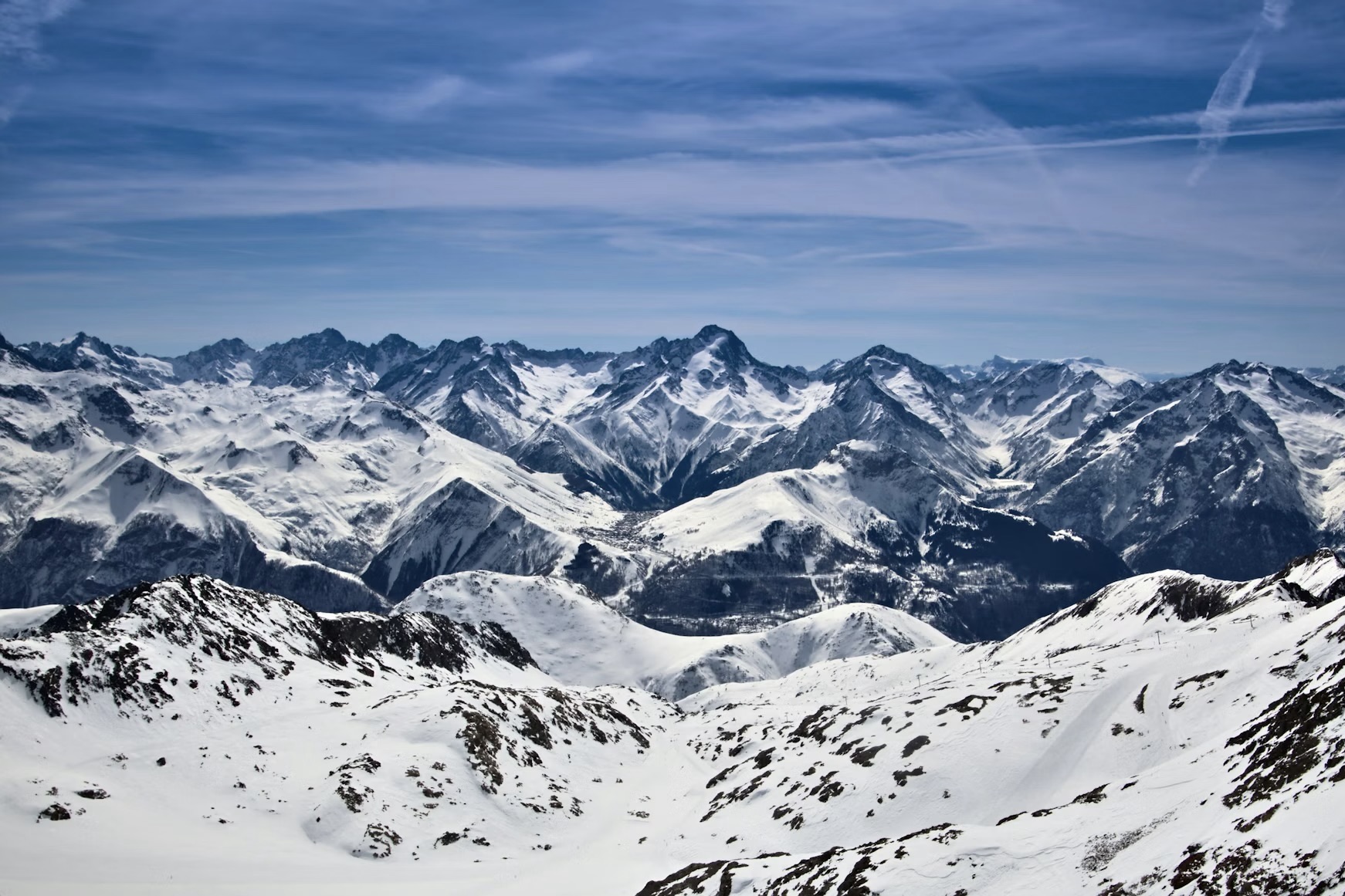
Alpe d’Huez sits at 1,860 meters (6,102 feet) in the Oisans region of the French Alps, approximately 60 kilometers (37 miles) from Grenoble. The resort’s southern exposure provides exceptional sunshine hours, averaging over 300 days annually, which creates pleasant on-slope conditions but can affect snow quality during warm periods. The ski area reaches 3,300 meters (10,827 feet) at the Pic Blanc, accessing glacier skiing and providing a vertical drop exceeding 2,000 meters (6,562 feet).
The resort has gained recognition for beginner-friendly terrain, with an extensive network of gentle slopes at an altitude that provides ideal learning conditions. The Sarenne, Europe’s longest black run at 16 kilometers (10 miles), descends from the glacier to the valley floor, though it requires strong intermediate skills for safe navigation. The variety of terrain between these extremes suits families with different ability levels.
Alpe d’Huez comprises multiple villages at different elevations, with the main resort area providing most services and accommodations. The architecture mixes traditional chalets with purpose-built apartment blocks, creating a functional rather than picturesque environment. The focus remains on skiing efficiency, with lift access distributed across the resort area.
Maison Sport instructors working here benefit from exceptional beginner terrain at altitude. The 249 kilometers (155 miles) of marked runs include numerous blue runs where developing skiers can build confidence without dealing with crowds or challenging snow conditions. The glacier provides reliable coverage early and late in the season, extending operations from early December through late April.
Mountain restaurants serve standard French resort fare, with prices moderate compared to more famous destinations. The accessibility from Grenoble Airport, approximately 90 minutes by road, makes it convenient for international families. For those prioritizing learning-friendly terrain and sunshine over traditional village atmosphere, Alpe d’Huez delivers focused ski instruction opportunities across a substantial vertical range.
Find out more about Maison Sport and its recommendations for family-friendly ski resorts here.
___________________
Bryan Dearsley is Editor of LuxuryEurope.